
A Day Trip to Big Cypress & the Everglades While in Fort Myers Beach Is an Epic Thing to Do
Exploring Big Cypress and the Everglades is one of the most rewarding day trips from Fort Myers Beach. From alligator sightings to epic sunsets over the marsh, these parks showcase Florida’s wild side in all its glory.
Day trips are always a great way to add fun and gain a deeper understanding of the region you’re visiting. From Colorado and Tennessee to Florida and North Carolina, every destination has a nearby spot worth dedicating a day to exploring and discovering something new.
If you’re spending your next vacation in Fort Myers Beach, Big Cypress National Preserve and Everglades National Park are two of Florida’s most fascinating natural treasures, and both are easily accessible from town. These protected wetlands showcase amazing wildlife, fascinating habitats, and experiences that bring Florida’s wild side to life.
Here’s a little preview of what’s ahead:
Discover Florida’s Wild Side: Big Cypress & Everglades are must-do day trips full of wildlife and epic views.
Step Back in Time: Learn the history of the tribes and the fight to save the wetlands.
Explore Big Cypress: Drive Loop Road, stroll the boardwalk, and spot gators at the Oasis Visitor Center.
Experience the Everglades: Bike Shark Valley, walk Anhinga Trail, and kayak Flamingo for manatees and crocs.
See Incredible Wildlife: Alligators, spoonbills, manatees, and maybe even a rare Florida panther.
Pick the Right Season: Dry season means cooler weather, fewer bugs, and better wildlife viewing.
Pack Smart: Bug spray, water, sunscreen, and a camera are essentials.
Plan Your Route: Take I-75 or the scenic Tamiami Trail for an easy two-hour drive.
Get Quick Answers: FAQs cover pets, safety, and how to fit both parks in a single trip.
At Sun Palace Vacations, we offer stunning vacation homes in Fort Myers Beach. Whether you’re looking for a beachfront escape or a cozy retreat, we have the perfect place for you. We consider ourselves Fort Myers Beach experts, and from the best shopping spots and top-notch restaurants to a comprehensive guide on fishing and hunting in the area, we’ve got you covered in our blog.
In this guide, I’ll dive into everything you need to know about these two Florida treasures, from history and top attractions to when to go, what to pack, and how to get there from Fort Myers Beach, so you can plan a day trip that’s full of adventure.
Ready? Let’s jump into the details!
Overview of Big Cypress & Everglades National Park
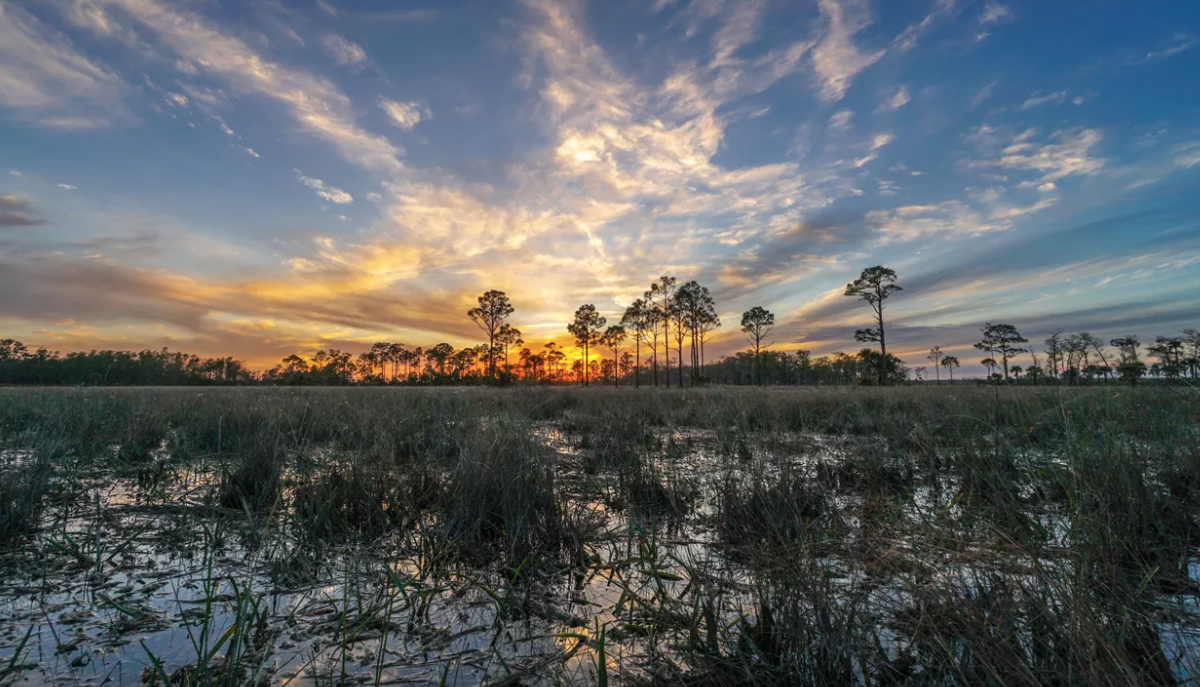
Big Cypress and the Everglades form one of the largest subtropical wilderness areas in the United States. Together, they safeguard over 2.5 million acres of freshwater swamps, sawgrass prairies, and mangrove forests. Visiting these parks is a chance to experience Florida as it once was: wild, watery, and teeming with life.
The two parks complement each other beautifully: Big Cypress allows activities like hunting and off-roading, while the Everglades focuses on pure conservation and education. Both give you close encounters with wildlife and access to a rare and fragile ecosystem found nowhere else in the country.
Did you know?
The Everglades are often called the “River of Grass” because water slowly flows south across the landscape from Lake Okeechobee, creating a shallow, slow-moving river up to 60 miles wide.
A Short History of the Parks
Big Cypress and the Everglades are lands with deep cultural significance. For centuries, the Miccosukee and Seminole tribes lived and traveled through these wetlands, relying on them for food and shelter. In the late 1800s and early 1900s, plans to drain the Everglades for agriculture and development nearly destroyed this ecosystem.
Public outcry, led by conservationists like Marjory Stoneman Douglas, led to the creation of Everglades National Park in 1947 to protect the “River of Grass.” Later, Big Cypress National Preserve was established in 1974, becoming the first national preserve in the U.S. This unique designation allowed traditional uses like hunting and off-road recreation to continue while still preserving the land.
Today, both parks are managed to balance conservation, recreation, and cultural heritage.
Main Attractions
Big Cypress National Preserve Highlights
Big Cypress is a paradise for those seeking a wilder, more rugged experience.
Loop Road Scenic Drive: A 24-mile dirt road that winds through cypress forest and open prairies. Wildlife sightings, especially alligators and herons, are almost guaranteed.
Kirby Storter Boardwalk: A short, wheelchair-accessible boardwalk that leads deep into a quiet cypress swamp, perfect for a peaceful nature walk.
Oasis Visitor Center: A great first stop, with interactive exhibits, restrooms, and usually a few lounging gators outside.
Swamp Buggy Tours: Guided rides on elevated vehicles take you into remote backcountry areas you can’t access by car.
Everglades National Park Highlights
The Everglades are known for their wide-open views, excellent visitor infrastructure, and variety of activities.
Shark Valley: A 15-mile paved loop you can bike or explore by tram. At the midpoint, climb the observation tower for panoramic views.
Anhinga Trail: One of the best places to see wildlife up close: gators, turtles, and dozens of bird species.
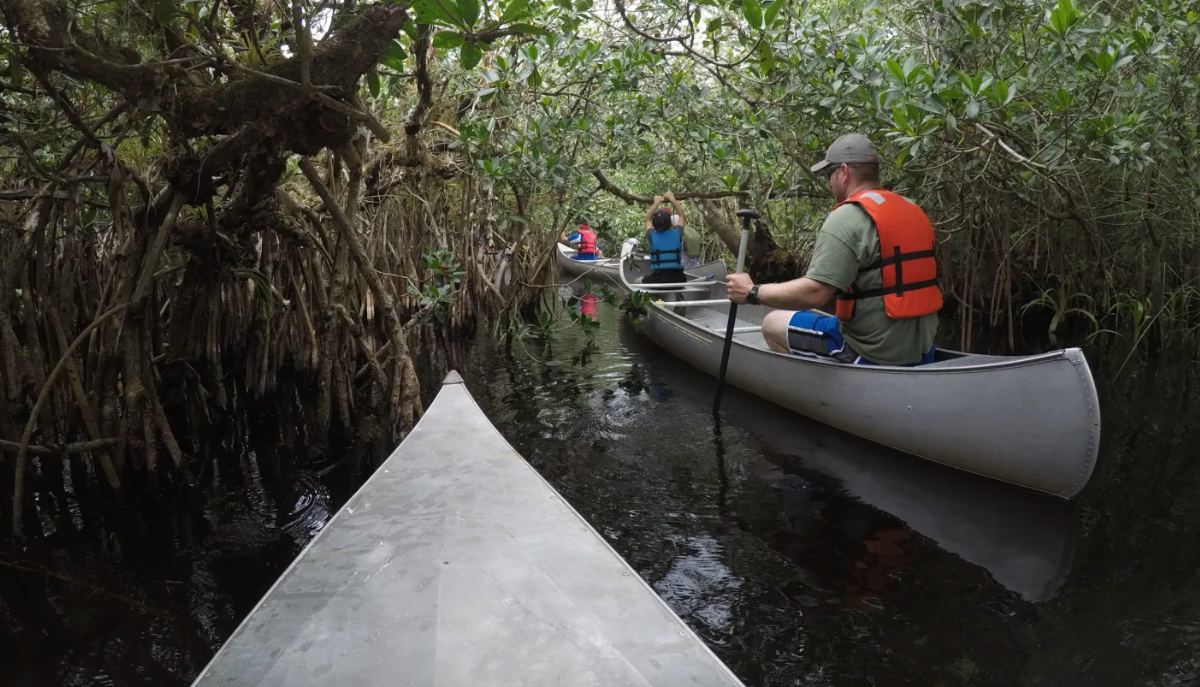
Flamingo Area: Located at the southern tip of the park, offering kayak rentals, boat tours, and a chance to spot manatees and even American crocodiles.
Airboat Tours (Nearby): While not permitted within the park itself, you can take thrilling airboat rides from operators just outside the park’s boundaries.
Travel Tip: Shark Valley is extremely popular during the winter months. Arrive early or book tram tours in advance to avoid long waits.
What Wildlife You’ll See
Both parks are biodiversity hotspots, home to species found nowhere else in the U.S. Below are some of the fascinating creatures you may encounter while exploring the parks:
Alligators & Crocodiles: Spot American alligators year-round; American crocodiles are rarer and mostly found near Flamingo.
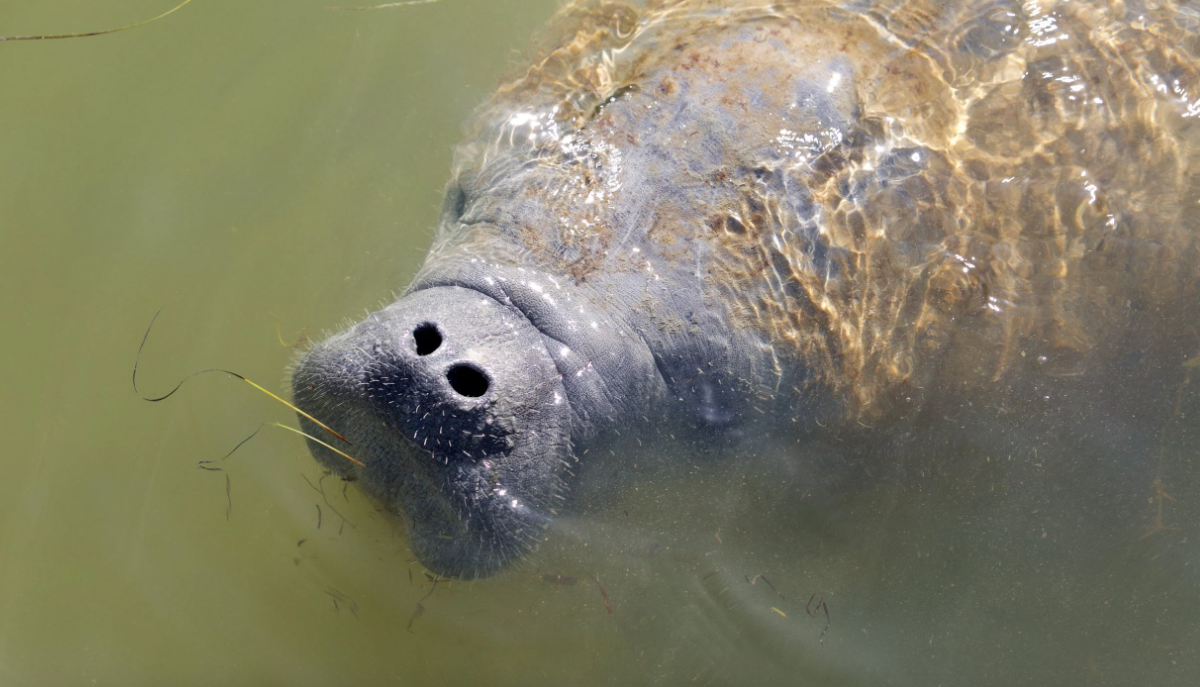
Manatees: Best seen in winter, when they gather in warm water areas.
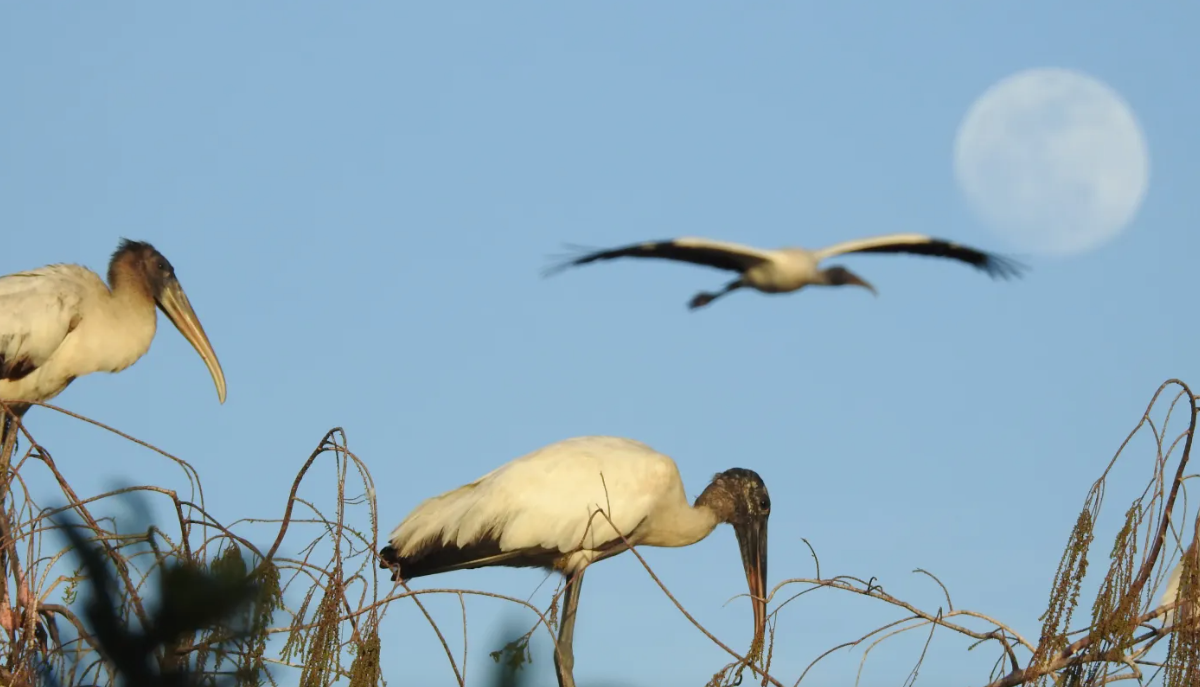
Wading Birds: Great egrets, herons, ibises, and roseate spoonbills are common sights, especially during the dry season.
Raptors: Keep an eye out for snail kites and ospreys hunting over the marshes.
Mammals: White-tailed deer, bobcats, and river otters make appearances, particularly in Big Cypress.
Rare Species: Big Cypress is a prime habitat for the endangered Florida panther, though sightings are rare and special.
Best Time to Visit
The experience can vary dramatically depending on the season, so timing matters.
Dry Season (November – April): The best time for comfortable weather, active wildlife, and minimal mosquitoes. This is the peak visitor season, so plan ahead.
Wet Season (May – October): Expect lush greenery, dramatic skies, and fewer crowds. Afternoon thunderstorms are common, so pack rain gear. Mosquitoes can be intense in summer; a strong repellent is a must.
Tips for Enjoying the Parks
A little preparation can make your visit much smoother.
Start Early: Wildlife is most active in the morning, and early visits beat the heat.
Bring Essentials: Sunscreen, bug spray, a hat, and water are non-negotiable.
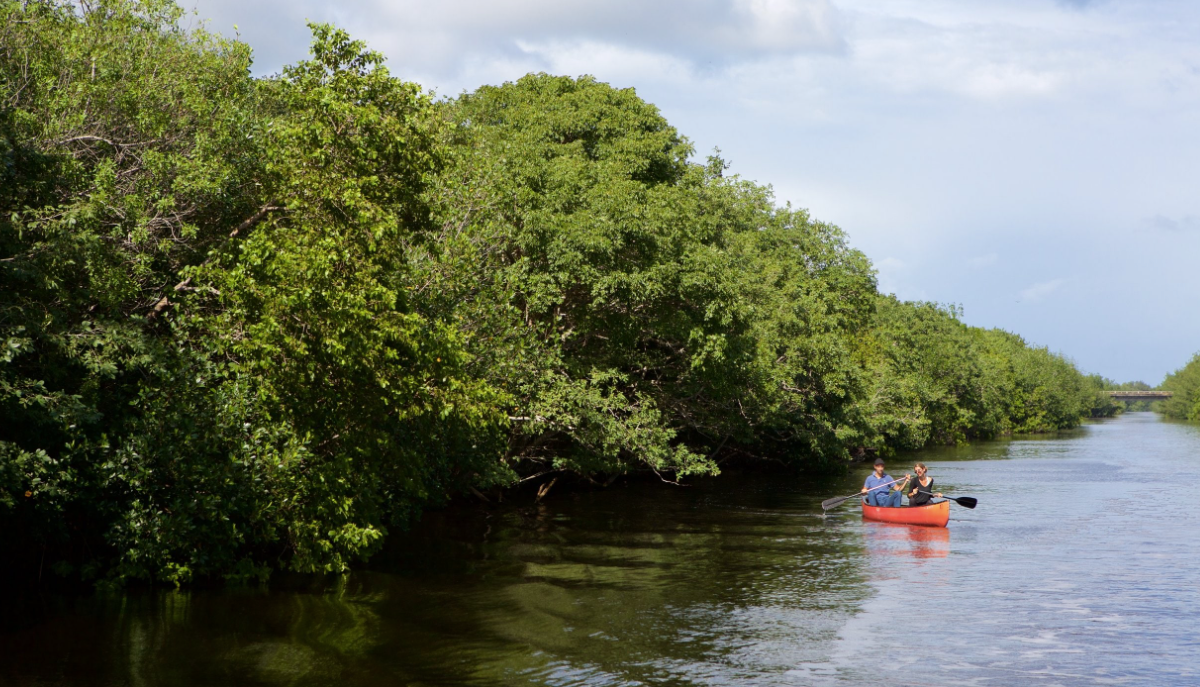
Choose Guided Tours: Ranger-led walks and tram tours provide fascinating insights and help you spot hidden wildlife.
Dress Smart: Lightweight, long-sleeved clothing can protect against the sun and mosquitoes.
Be Weather Ready: Have a plan for sudden rainstorms, especially if visiting during summer.
How to Get There from Fort Myers Beach
Driving is the easiest and most flexible way to reach both parks. Here’s how to get there:
Big Cypress National Preserve (Ochopee):
Drive east on San Carlos Blvd to connect with I-75 South (Alligator Alley).
Take Exit 80 for SR 29 and head south toward Ochopee.
Drive time: about 1.5 to 2 hours.
Everglades National Park (Shark Valley):
Stay on I-75 and take Exit 49 for US-41 (Tamiami Trail).
Follow the signs to Shark Valley Visitor Center.
Drive time: roughly 2 hours.
Scenic Option:
Consider driving along the Tamiami Trail (US-41) through Big Cypress.
Stop at boardwalks, scenic pull-offs, and visitor centers along the way for photo opportunities and wildlife viewing.
FAQ: Frequently Asked Questions About Big Cypress & Everglades
Q: Can I see alligators year-round?
Yes. Alligators are present throughout the year, but they’re easier to spot in the dry season when water levels are lower.
Q: Are airboat rides allowed inside the parks?
No. Airboats are prohibited inside Everglades National Park but allowed in certain areas of Big Cypress and with private operators outside the park.
Q: Are the parks pet-friendly?
Pets are welcome in parking lots and campgrounds, but not on trails or boardwalks. Check the NPS website for designated pet areas.
Q: Is hiking safe?
Yes, as long as you stay on marked trails, bring water, and maintain a safe distance from wildlife.
Q: Can I see both parks in one day?
It’s possible, but it can feel rushed. A two-day trip allows time for scenic drives, tram tours, and walks at a relaxed pace.
Wondering Where to Stay in Fort Myers Beach?
Experience the highest quality in amenities, decor, and cleanliness by booking your stay with Sun Palace Vacations. We guarantee you’ll have the most authentic, enjoyable, and relaxing time ever!